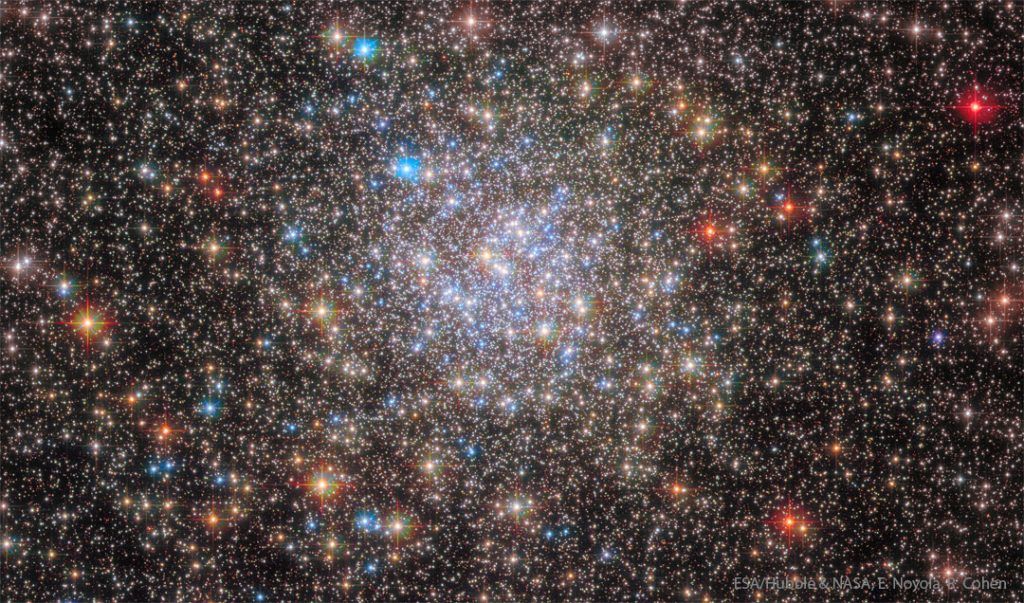
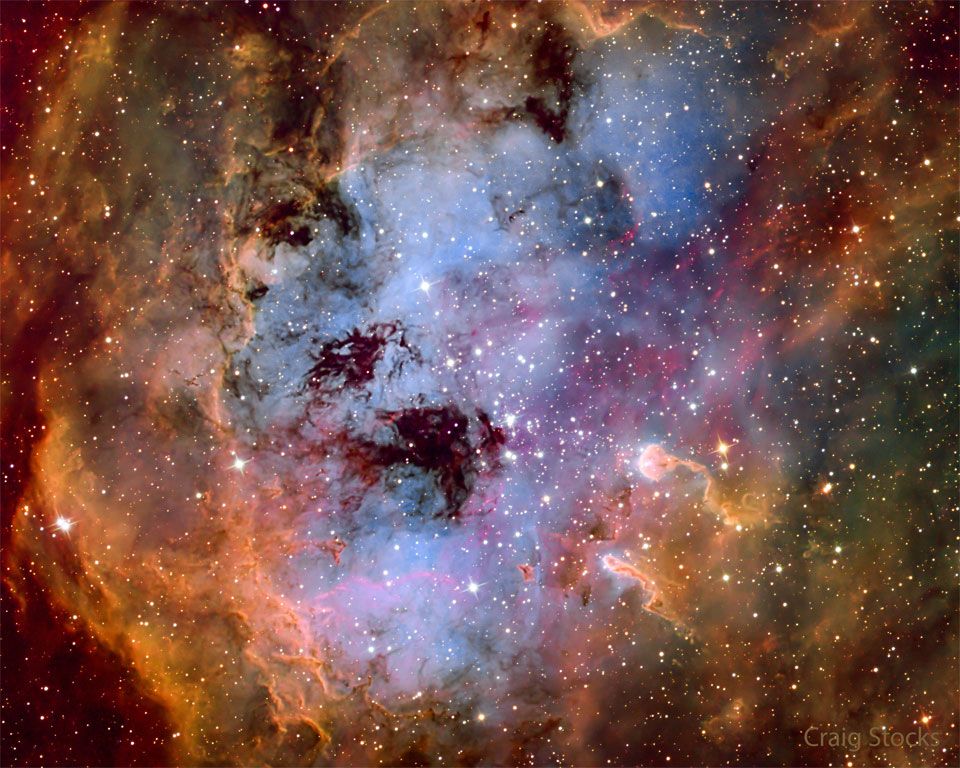
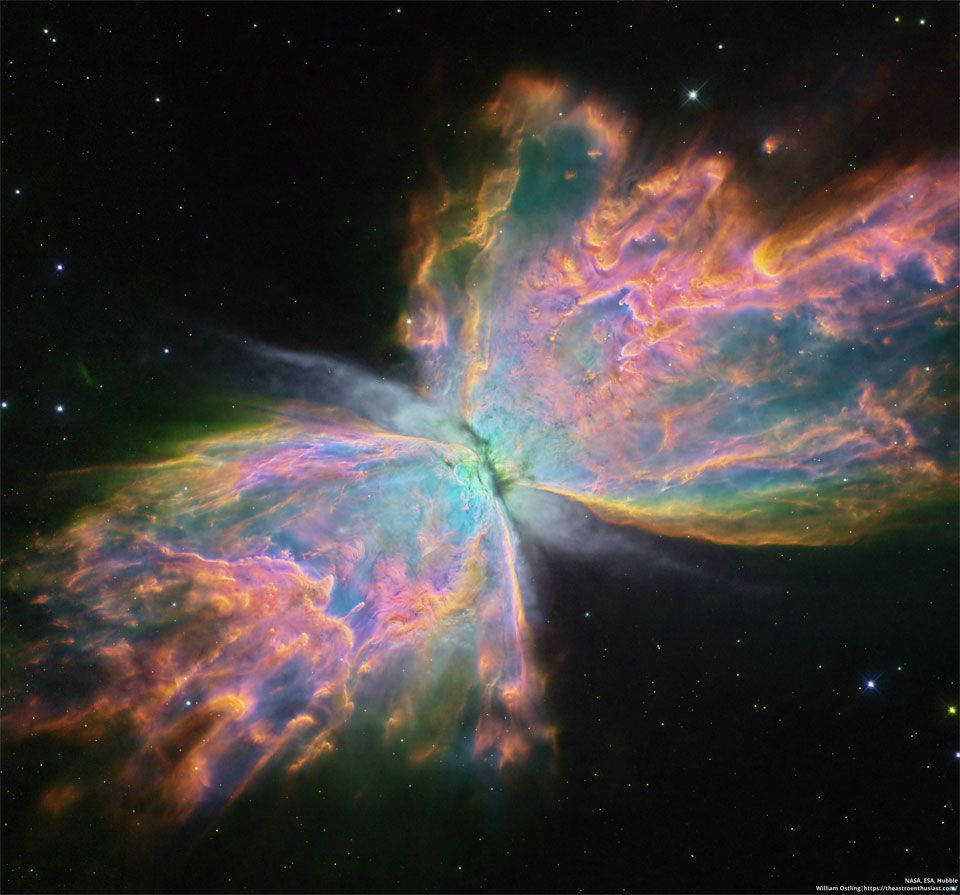
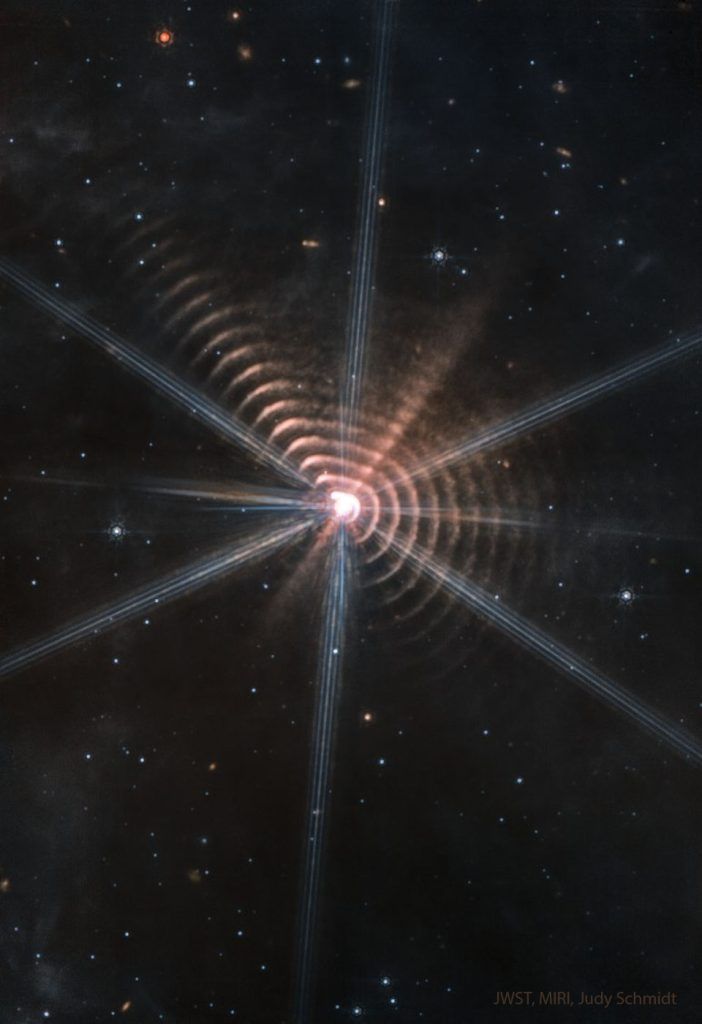
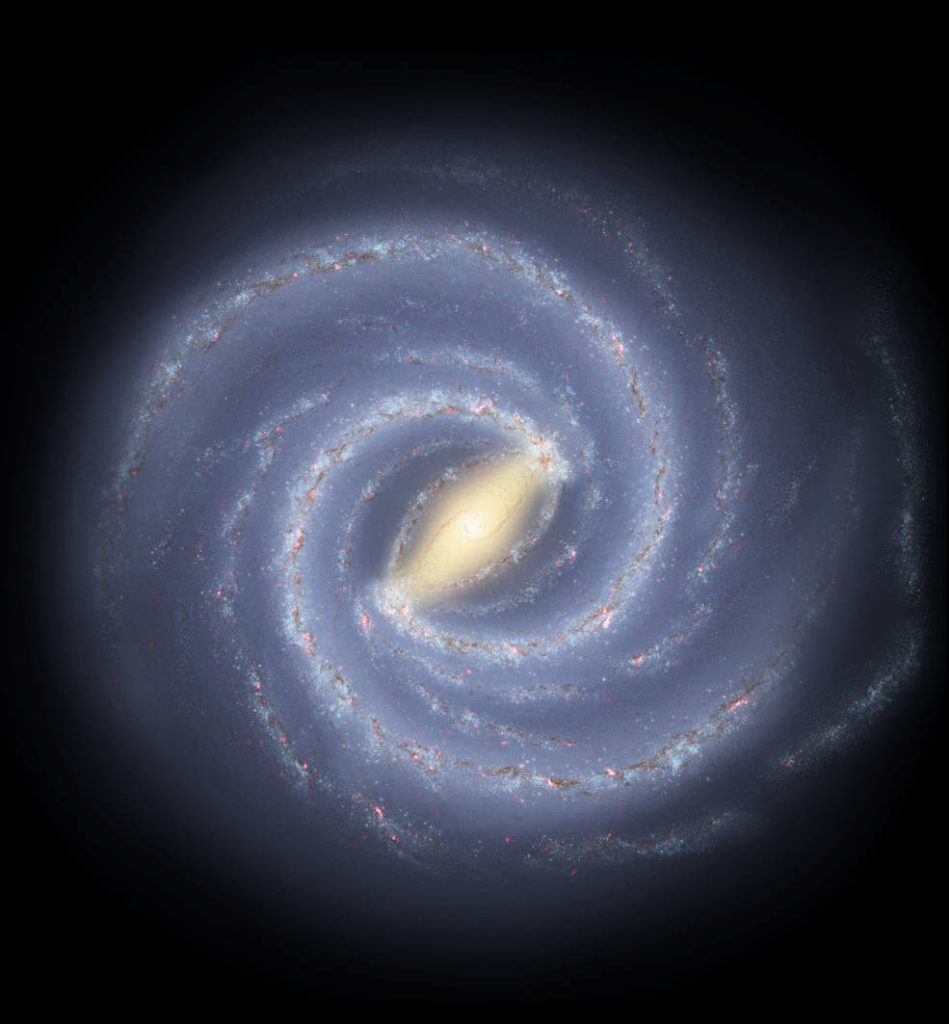
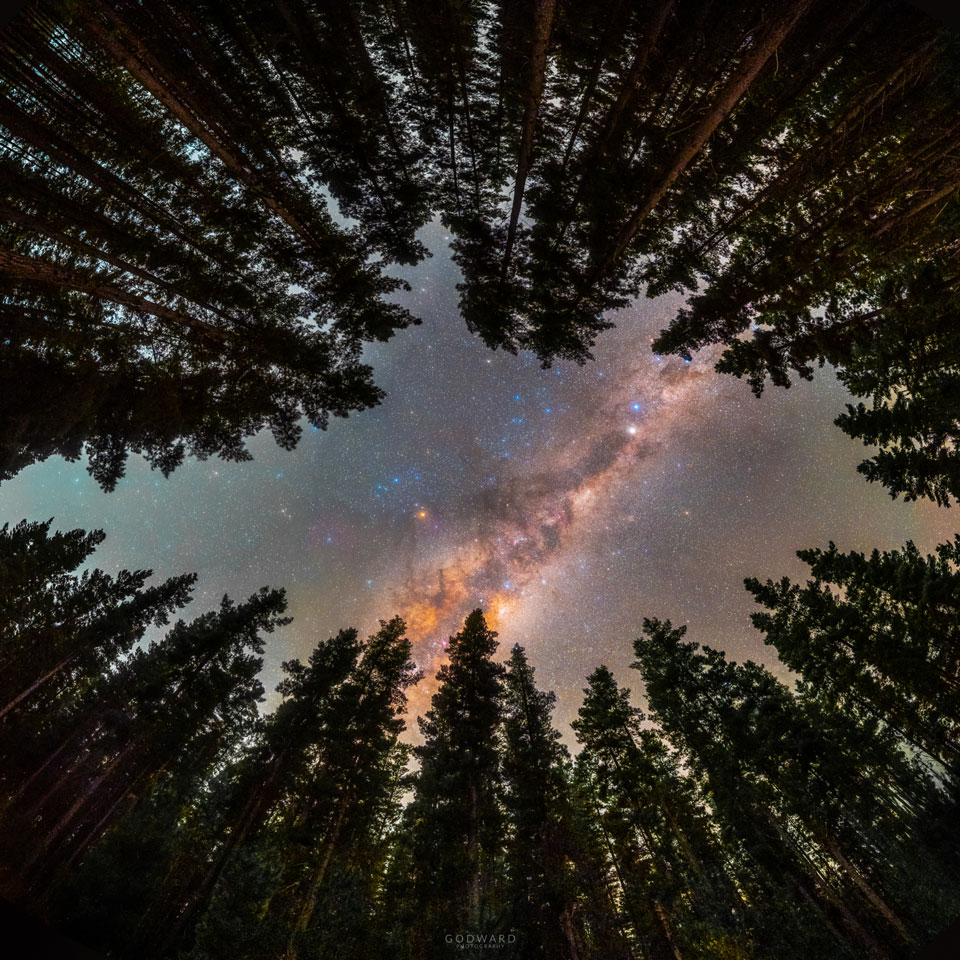
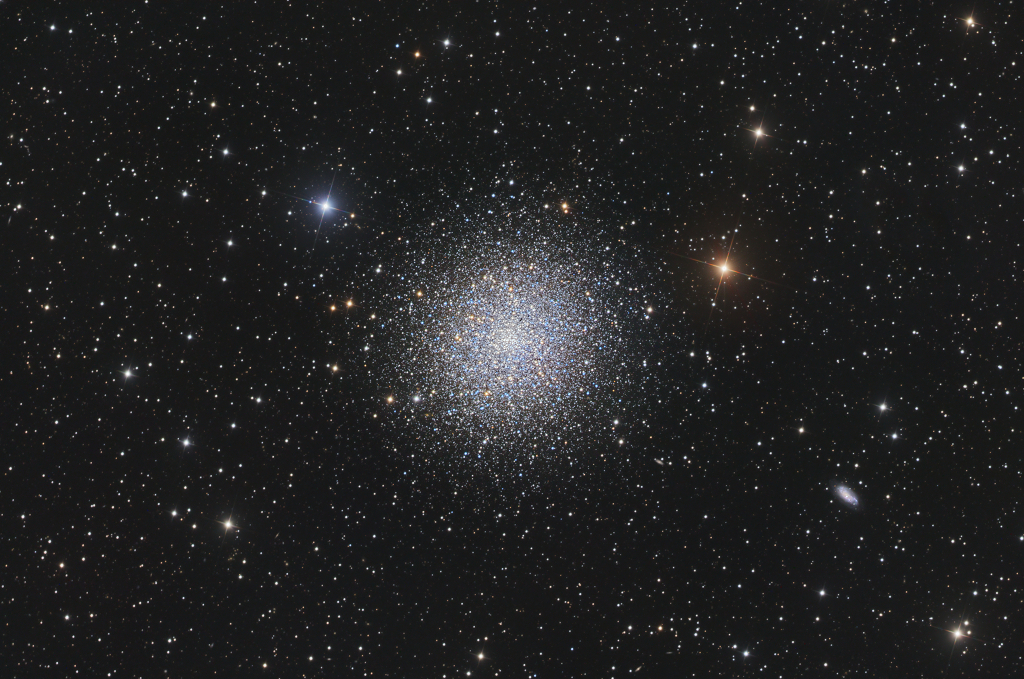
Home Vision, Mission, Values Contact Careers Photo Gallery Video GalleryINSGC Funding Masters Fellowship Program Doctoral Fellowship Program INSGC Research and Outreach Projects STEM Education Major Teaching FellowshipAcademic INSGC Internships Engage At HomeAffiliate Information Affiliates List Reporting PI InformationNewsStudent Info Longitudinal Tracking Student Tracking INSGC Spotlight Photo Gallery Enjoy a selection of NASA Space Photos Star clusters are commonly featured in cosmic photoshoots, and are also well-loved by the keen eye of the NASA/ESA Hubble Space Telescope. These large gatherings of celestial gems are striking sights — and the subject of this Picture of the Week, Messier 2, is certainly no exception. Messier 2 is located in the constellation of Aquarius (The Water-Bearer), about 55 000 light-years away. It is a globular cluster, a spherical group of stars all tightly bound together by gravity. With a diameter of roughly 175 light-years, a population of 150 000 stars, and an age of 13 billion years, Messier 2 is one of the largest clusters of its kind and one of the oldest associated with the Milky Way. Most of the cluster’s mass is concentrated at its centre, with shimmering streams of stars extending outwards into space. It is bright enough that it can even be seen with the naked eye when observing conditions are extremely good. This image depicts bright blue newly formed stars that are blowing a cavity in the centre of a fascinating star-forming region known as NGC 602 , also known as N90. The high energy radiation blazing out from the hot young stars in N90 is eroding the outer portions of the nebula from the inside, as the diffuse outer reaches of the nebula prevent the energetic outflows from streaming away from the cluster directly. Because N90 is located far from the central body of the Small Magellanic Cloud, numerous background galaxies in this picture can be seen, delivering a grand backdrop for the stellar newcomers. The dust in the region gives these distant galaxies a reddish-brown tint. The scattered stars of the globular cluster NGC 6355 are strewn across this image from the NASA/ESA Hubble Space Telescope. This globular cluster lies less than 50,000 light-years from Earth in the Ophiuchus constellation. NGC 6355 is a galactic globular cluster that resides in our Milky Way galaxy's inner regions. Globular clusters are stable, tightly bound clusters of tens of thousands to millions of stars, and can be found in all types of galaxies. Their dense populations of stars and mutual gravitational attraction give these clusters a roughly spherical shape, with a bright concentration of stars surrounded by an increasingly sparse sprinkling of stars. The dense, bright core of NGC 6355 was picked out in crystal-clear detail by Hubble in this image, and is the crowded area of stars towards the centre of this image. With its vantage point above the distortions of the atmosphere, Hubble has revolutionised the study of globular clusters. It is almost impossible to distinguish the stars in globular clusters from one another with ground-based telescopes, but astronomers have been able to use Hubble to study the constituent stars of globular clusters in detail. This Hubble image of NGC 6355 contains data from both the Advanced Camera for Surveys and Wide Field Camera 3. [Image description: A dense collection of stars covers the view. Towards the centre the stars become even more dense in a circular region, and also more blue. Around the edges there are some redder foreground stars, and many small stars in the background.] Links Video of Stargazing in NGC 6355 Like early explorers mapping the continents of our globe, astronomers are busy charting the spiral structure of our galaxy, the Milky Way. Using infrared images from NASA's Spitzer Space Telescope, scientists have discovered that the Milky Way's elegant spiral structure is dominated by just two arms wrapping off the ends of a central bar of stars. Previously, our galaxy was thought to possess four major arms. This artist's concept illustrates the new view of the Milky Way, along with other findings presented at the 212th American Astronomical Society meeting in St. Louis, Mo. The galaxy's two major arms (Scutum-Centaurus and Perseus) can be seen attached to the ends of a thick central bar, while the two now-demoted minor arms (Norma and Sagittarius) are less distinct and located between the major arms. The major arms consist of the highest densities of both young and old stars; the minor arms are primarily filled with gas and pockets of star-forming activity. The artist's concept also includes a new spiral arm, called the "Far-3 kiloparsec arm," discovered via a radio-telescope survey of gas in the Milky Way. This arm is shorter than the two major arms and lies along the bar of the galaxy. Our sun lies near a small, partial arm called the Orion Arm, or Orion Spur, located between the Sagittarius and Perseus arms. Made from 10 light frames by Starry Landscape Stacker 1.8.0. Algorithm: Mean Min Hor Star Dupe